

- Description
- Specifications
- Videos
System overview of the GS Vitec GX-8 controller for high speed imaging
The GSVitec MultiLED GX8 is an illumination controller for the generation 4 MultiLED high power flicker free light line for high speed cameras. With this GX8 controller, you can connect up to 8 GEN4 MutliLED lamps. Benefit with a wide range of useful features and settings such as setting light intensity, pulse length and delay. The built-in color LCD display of the MultiLED GX8 makes for easy operation in controlling these lamps. Navigate through the menu and setups via rotary switch with push down selection function.
The MultiLED GX8 controller offers a power supply of up to 1.2 kW to power 8 lights off of one power supply. The standard versions GX8 have desktop power supplies while an optional version 19“ rack mount housing (2U) are available. Suitable power adapters are available upon request.
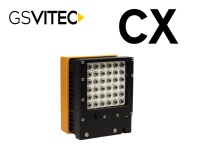
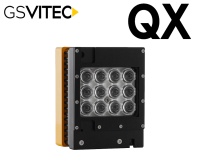
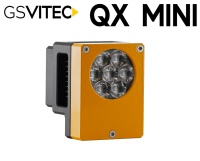
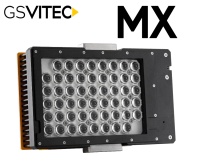
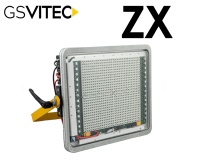
The MultiLED GX8 is the control and power supply unit for up to a combination of eight (8)( MX, CX, QX or QX MINI) LED light lamps. GX-8 also controls settings in the LX, RX, ZX, L50X local powered units.
MULTILED GX8 - KEY FEATURES
Advanced features when connected to MultiLed GX8 as power supply:• down to 200 nanoseconds strobe length at full output power
• Pulse delay: 220 ns
• Pulse rise time: 100 ns
• Pulse fall time: 350 ns
• Shortest usable pulswidth: 200 ns
• Adjustable intensity for each channel: 0% to 100%
• Temperature and status display for each lamp head
• All communications and power supply come from the GX8 through 1 MULTILED GEN4 System cable
|
|||||||||||||||||||||||||||||||||||
System overview of the GS Vitec GX-8 controller for high speed imaging
|
|||||||||||||||||||||||||||||||||||
Related products
How To Choose Your MWIR Infrared Camera
When it comes to selecting the right mid-wave infrared (MWIR) camera for your specific needs, understanding the technology and its applications is crucial. MWIR cameras are powerful tools that capture thermal images in the 3 to 5 micrometer wavelength range, making them ideal for various applications, including industrial inspections, scientific research, and defense surveillance. This guide will walk you through the essential factors to consider when choosing an MWIR camera, ensuring you make an informed decision.
What is MWIR?
Mid-wave infrared technology refers to the imaging capabilities that operate within the 3 to 5 micrometer range of the infrared spectrum. This range is particularly effective for detecting thermal radiation emitted by objects at moderate temperatures. MWIR cameras are designed to capture this thermal energy, converting it into visual images that can be analyzed for various applications.
How MWIR Cameras Work
MWIR cameras utilize a combination of lenses, thermal sensors, and processing electronics to create thermal images. The lens focuses infrared radiation onto the detector, which is typically an array of pixels. These detectors can vary in resolution, with common configurations being 320x256 and 640x512 pixels. The thermal energy absorbed by the detector is then converted into an electronic signal, which is processed to produce a visual representation of the thermal scene.
Advantages of MWIR Cameras
- Sensitivity: MWIR cameras are known for their high sensitivity, allowing them to detect subtle temperature differences in a scene. This is particularly beneficial for applications requiring precise thermal measurements.
- Versatility: These cameras can be used across various industries, including manufacturing, environmental monitoring, and military applications, making them a versatile choice for many users.
- Image Quality: The ability to capture detailed thermal images enables users to identify issues that may not be visible in the visible spectrum, such as heat leaks in buildings or overheating machinery.
Key Considerations When Choosing an MWIR Camera
1. Application Requirements
Before selecting an MWIR camera, it's essential to define the specific application for which it will be used. Different applications may require different features and capabilities. For instance:
- Industrial Inspections: If the camera will be used for detecting heat loss in buildings or monitoring machinery, high sensitivity and resolution are critical.
- Scientific Research: Researchers may need cameras with advanced features such as multispectral imaging or high dynamic range capabilities to capture a broader range of data.
- Defense Surveillance: In military applications, the ability to detect and identify targets at long distances is paramount, necessitating high-resolution imaging and fast frame rates.
2. Resolution and Sensitivity
The resolution of an MWIR camera determines the level of detail that can be captured in thermal images. Higher resolution cameras can provide more detailed images, which is crucial for applications requiring precise measurements. Additionally, sensitivity, often measured as Noise Equivalent Differential Temperature (NEDT), indicates the camera's ability to detect small temperature differences. A lower NEDT value signifies better performance, especially in applications where subtle temperature variations are critical.
3. Cooling Requirements
MWIR cameras can be categorized into two types based on their cooling requirements: cooled and uncooled. Cooled MWIR cameras typically require cryogenic cooling to operate effectively, which enhances their sensitivity but adds complexity and cost. Uncooled MWIR cameras, on the other hand, can operate at ambient temperatures, making them more compact and easier to use. When choosing a camera, consider the trade-offs between sensitivity and operational simplicity.
4. Environmental Conditions
The environment in which the MWIR camera will be used plays a significant role in the selection process. Factors such as temperature extremes, humidity, and exposure to dust or moisture can impact camera performance. Ensure that the chosen camera is rated for the specific environmental conditions it will encounter.
5. Budget Constraints
Cost is always a consideration when selecting any technology. MWIR cameras can vary significantly in price based on their features and capabilities. It's essential to balance your budget with the required specifications to ensure you get the best value for your investment. Consider not only the initial purchase price but also the long-term operational costs, including maintenance and potential upgrades.
Exploring Telops MWIR Camera Solutions
Overview of Telops
Telops is a recognized leader in the field of mid-wave infrared imaging technology, offering a range of innovative solutions tailored to meet diverse customer needs. Their MWIR cameras are designed with advanced features that enhance performance and usability across various applications.
Key Features of Telops MWIR Cameras
- High-Speed Imaging: Telops cameras are equipped with advanced imaging capabilities that allow for super high-speed thermal imaging, making them ideal for dynamic environments.
- Radiometric Calibration: Many Telops models feature proprietary radiometric calibration, enabling automatic exposure time adjustments for optimal image quality.
- Multispectral and High Dynamic Range: Telops cameras can capture images across multiple spectral bands, providing users with a comprehensive view of thermal data.
Popular Models
- Telops FAST Camera Series: This series is designed for high-speed applications, offering rapid frame rates and exceptional sensitivity, making it suitable for industrial and scientific research.
- Telops Radia: The Radia series is known for its versatility and reliability, providing users with robust thermal imaging solutions for various applications.
- Radia M100: This model is particularly well-suited for applications requiring high-resolution imaging and advanced thermal analysis capabilities.
Applications of MWIR Cameras
Industrial Applications
MWIR cameras are widely used in industrial settings for applications such as predictive maintenance, quality control, and process monitoring. By detecting temperature anomalies, these cameras can help prevent equipment failures and improve operational efficiency.
Environmental Monitoring
In environmental science, MWIR cameras play a crucial role in monitoring temperature variations in ecosystems, detecting gas leaks, and assessing the health of vegetation. Their ability to capture thermal data in real-time allows researchers to make informed decisions regarding environmental management.
Defense and Security
The military and security sectors utilize MWIR cameras for surveillance, target acquisition, and reconnaissance. Their high sensitivity and ability to operate in low-light conditions make them invaluable tools for ensuring safety and security.
Learn more on our Application Fields of Infrared Thermography for MWIR Cameras
Export Disclaimer: Some goods on this site may be subject to US Export Regulations. Buyer agrees as one of the terms of purchase not to export such goods without having obtained and executed proper export licenses from the United States Government. Learn more.
GS Vitec GmbH Lighting
MultiLed - Extreme Performance lighting for High Speed Cameras
GSVitec has been developing and selling high-speed and machine vision camera solutions for all industrial, research and military applications for over 20 years. Their complementary products and system solutions for high-speed camera applications have been used by customers in over 50 countries worldwide for many years. High-speed digital imaging requires extremely bright light levels for nanosecond shutter speeds for crisp and clear images. A suitable solution did not exist, GSVitec developed it.
MultiLED products cover all applications of high speed cameras and many applications in the machine vision market. Some models cover sub microsecond exposure time, monochromatic light or give you enough light to fully close aperture at microseconds of exposure time. Designed from a decade of experience with thousands of customer projects in mind, MultiLed products offer ultra strong lighting at an affordable price.
Custom lighting devices are in their DNA. From quantity 1 to several thousand units, GS Vitec offers the most advanced and powerful lighting for camera applications in machine vision and highspeed photography.