

Blog
High-Speed Camera Rental for Boston Biotech and Pharmaceuticals
- Details
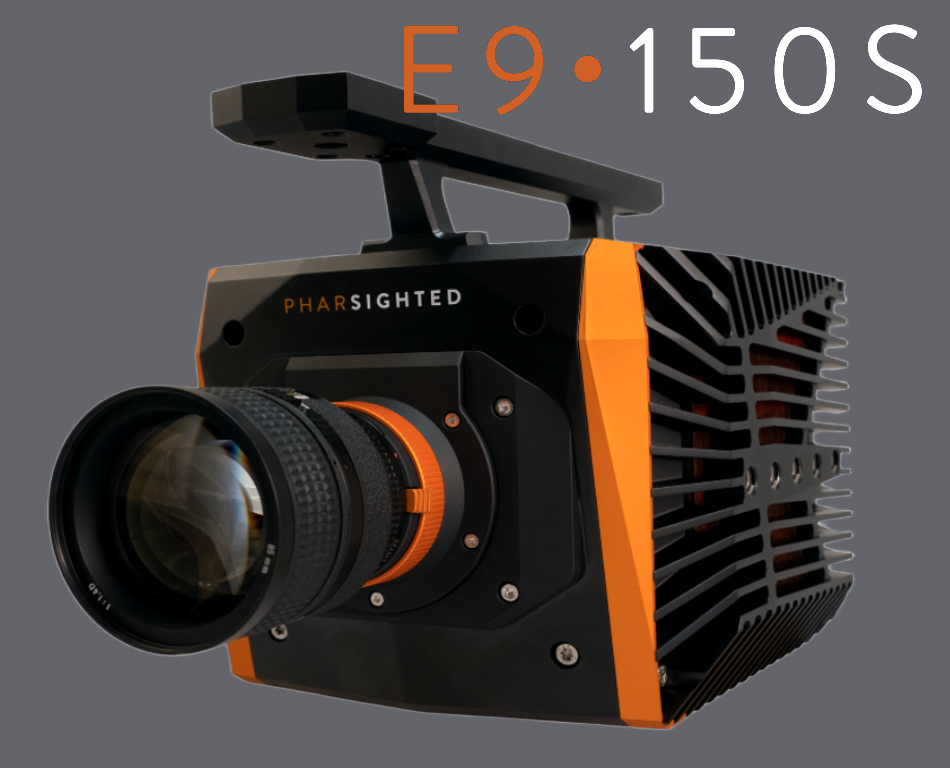
The Boston-Cambridge corridor has the largest concentration of biotech, pharmaceutical, and life science companies with over 1,000 firms operating across the region. Many of these organizations conduct research programs and manufacturing validation processes that require high-speed imaging on a project basis rather than year-round.
What is a Long-Wavelength Infrared (LWIR) Camera?
- Details

Long-wavelength infrared (LWIR) cameras detect thermal radiation in the 7.5 – 14.0 wavelength range of the electromagnetic spectrum, a band where most objects at or near ambient temperature emit the strongest infrared energy. Unlike visible-light cameras that rely on reflected light, an LWIR camera measures heat radiated directly from surfaces, enabling detailed thermal imaging in complete darkness, through smoke, and in conditions where other imaging technologies can fall short. This ability to visualize temperature differences across a scene is thermal imaging, and the LWIR band is the most widely used wavelength range for this purpose.
Top Applications for SWIR Cameras
- Details
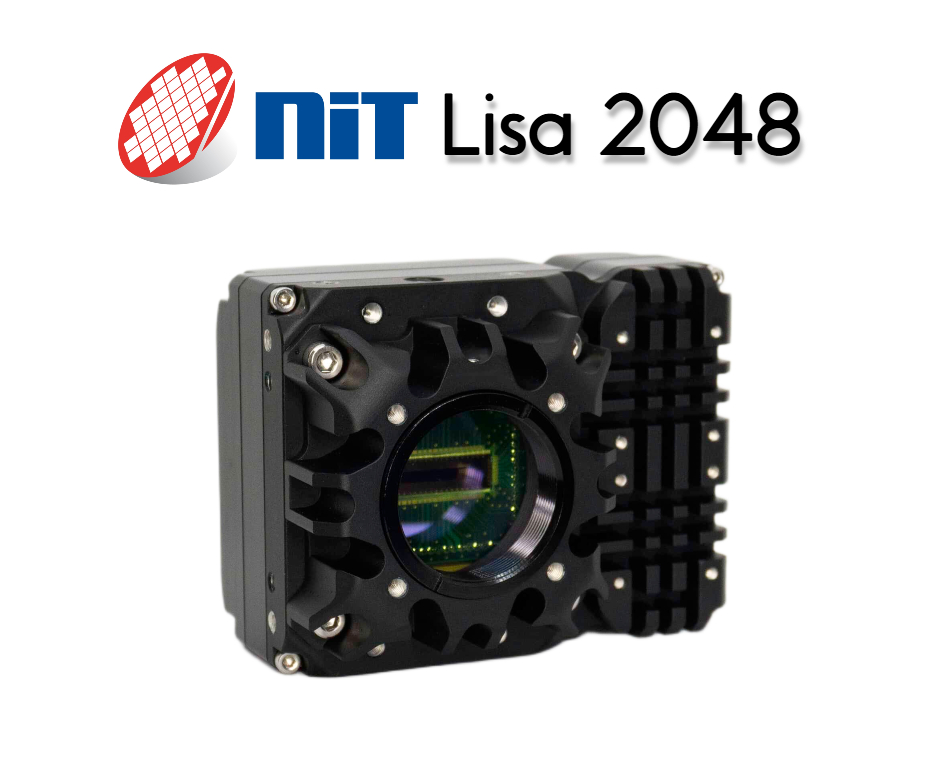
Shortwave infrared (SWIR) cameras have become a standard tool across a wide range of industries, valued for their ability to detect material properties, surface conditions, and subsurface features that other imaging systems miss. The specific characteristics of the SWIR band make it well-suited for certain measurement and inspection challenges, and the applications below illustrate where these cameras consistently deliver results that visible light and longer-wave infrared systems cannot match.
What’s the Difference Between Multispectral and Hyperspectral Cameras
- Details

Imaging systems that operate beyond the visible spectrum have become essential tools across industrial, scientific, and defense applications. Two technologies often discussed together are multispectral and hyperspectral imaging, yet they serve different purposes and operate according to distinct principles.